Artificial Metalloenzymes
Artificial metalloenzymes
Synthetic porphyrin–protein conjugates
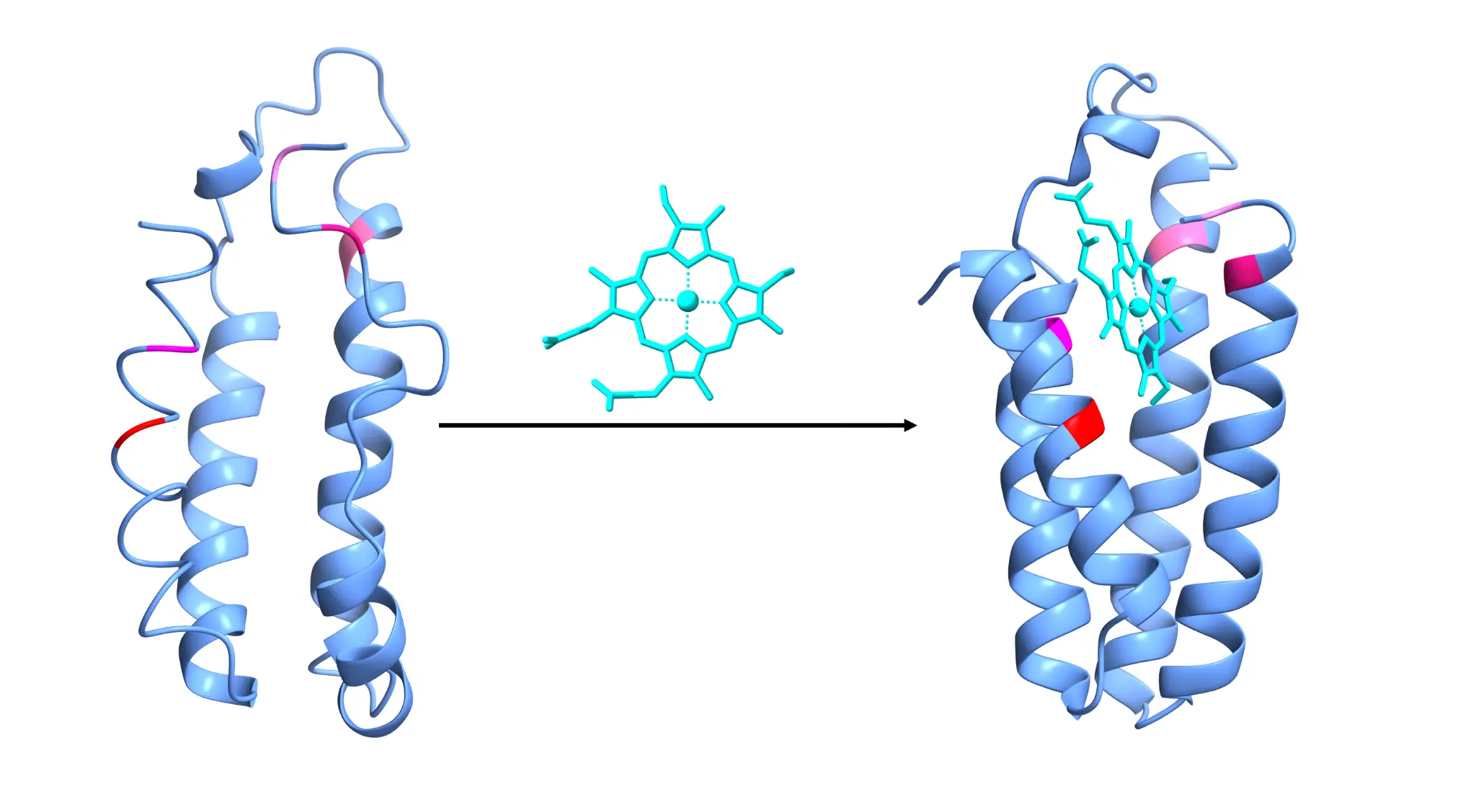
My PhD at the University of Cambridge explores engineered cytochrome b562 variants as scaffolds for synthetic metalloporphyrins. The work asks how a protein environment can be redesigned to give non-natural metal cofactors enzyme-like selectivity and function.
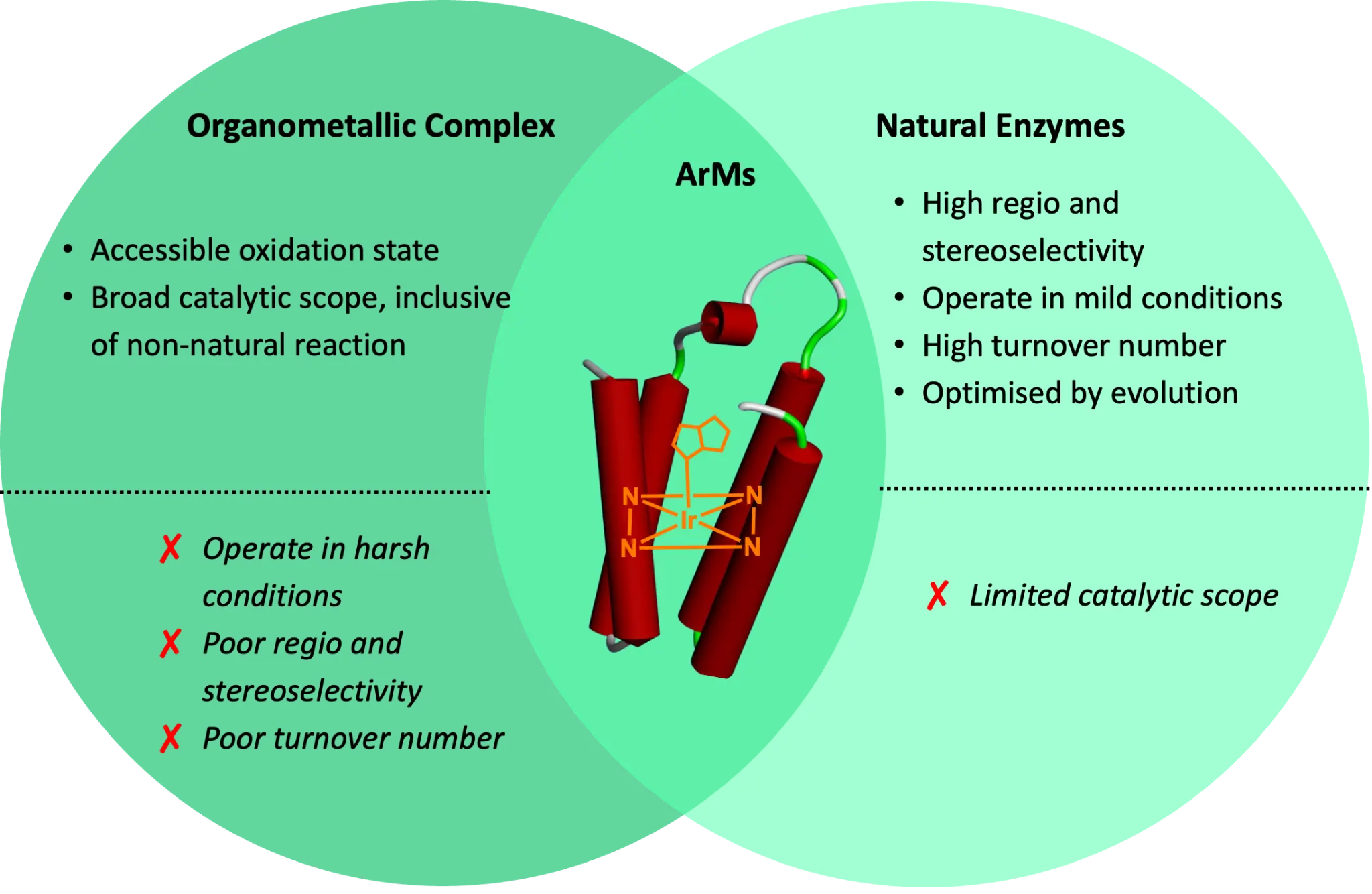
My contributions include:
- designing and synthesising synthetic metalloporphyrin cofactors;
- optimising metalation and functionalisation reactions;
- engineering and producing protein variants for selective cofactor binding;
- establishing quantitative cofactor-binding assay workflows;
- interpreting structure–function relationships across protein and porphyrin panels; and
- investigating preliminary carbene-transfer chemistry, including cyclopropanation.
Analytical method development
I established new analytical workflows as research questions demanded them. These included UV–visible and fluorescence titrations for protein–cofactor binding, chromatography for purity assessment, NMR and HRMS for molecular characterisation, and singlet-oxygen quantum-yield measurements for photoactive compounds.
This experience has made me comfortable moving between routine, reproducible analysis and open-ended troubleshooting when a method or reaction does not behave as expected.
Future direction: global health
My long-term direction is medicinal chemistry and drug discovery for malaria and other infectious diseases. I am particularly interested in the full path from molecular hypothesis to useful therapeutic: target selection, compound design, structure–activity relationships, synthesis, biological evaluation and developability.
I want to apply rigorous chemistry to health challenges where scientific progress can translate into profound human impact.